Note 13
A smarter approach to the core that supports you.
Core strength is about more than one body part. It is a practical foundation for moving with steadiness, strength, and more confidence.
Back to the Journal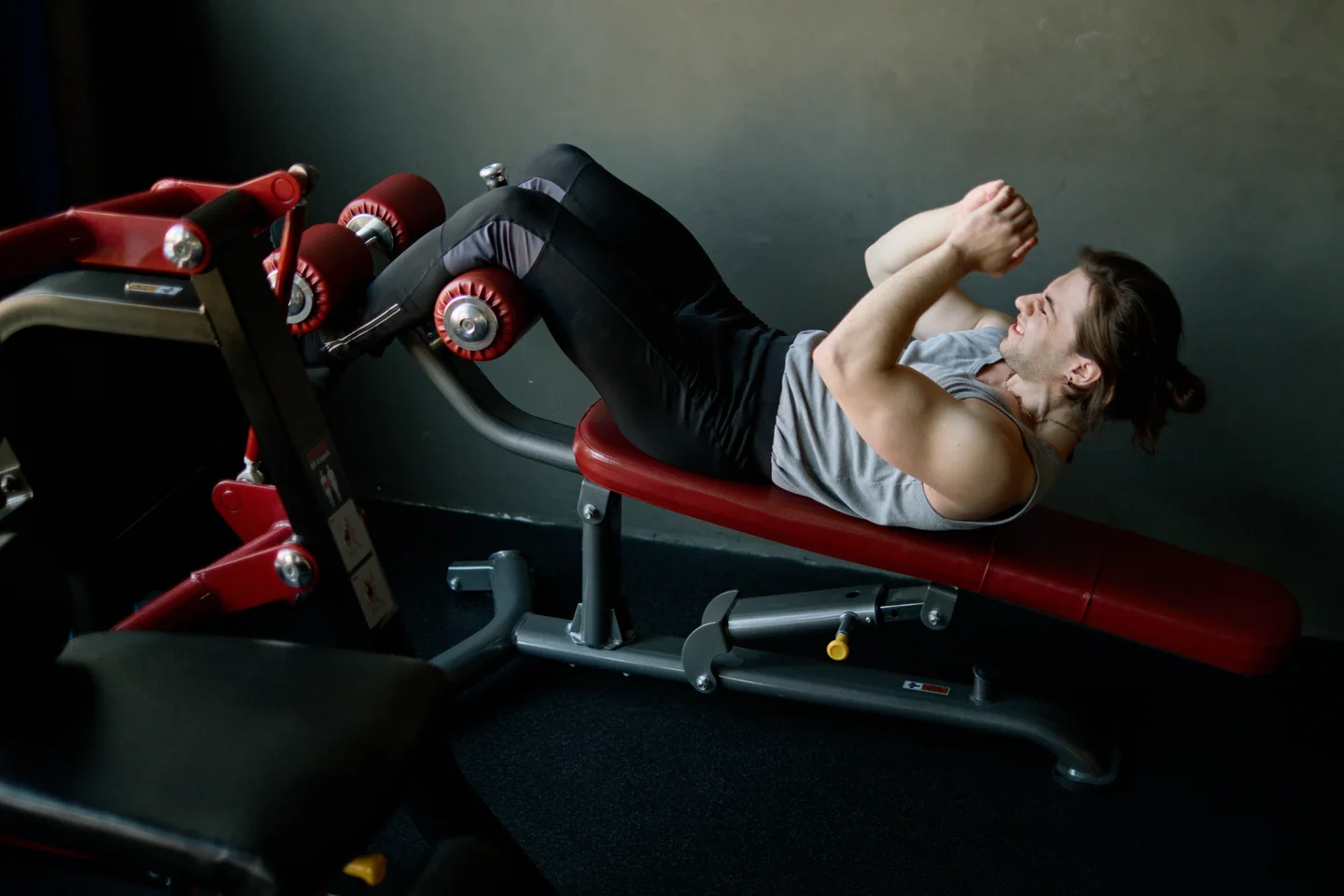
Veronica Lane, MHS, PT, NASM-certified personal trainer. The core is used in almost every exercise.
Total‑body training and the core
There is an argument that when you use compound, whole‑body movements the core is continuously engaged throughout the session, and therefore isolated ab work such as crunches may be seen as unnecessary.
Why targeted ab isolation still has a role
I disagree with the notion that isolation is always redundant. In clinical practice I have encountered many people who can squat and/or deadlift impressive weight yet display core weakness, a deficit that frequently contributes to low back pain, hip pain, pelvic floor issues, and related problems.
Core function: stability
A primary role of the core is to provide stability. That capacity for stabilization is vital both for everyday tasks and for safe lifting during gym work.
Rather than focusing on flexion exercises like crunches, prioritize “anti‑movement” patterns that resist motion. These train the core to stabilize the trunk while the limbs move.
- Planks with upper or lower‑body movement
- Swiss ball stir‑the‑pot
- Side planks
- Rollouts
How I include core work in a session
I typically cue abdominal activation at the start of a workout with a few preparatory drills, and/or I add a short block of core‑specific exercises at the end of the session to reinforce stability and endurance.
What’s your favorite ab exercise? Mine: Dead Bugs!!!